Handcraft: A Handwritten Font for Creative Branding
Last week, I found myself staring at a blank brand board, the usual chaos of a new client project unfolding before me. It was a boutique identity refresh—something that needed to feel personal, warm, and slightly nostalgic. I opened up my font library, scrolling through the familiar faces, when I stumbled upon Handcraft. At first glance, it felt like a friend I hadn’t seen in a while—rich, expressive, and just a little bit rebellious.
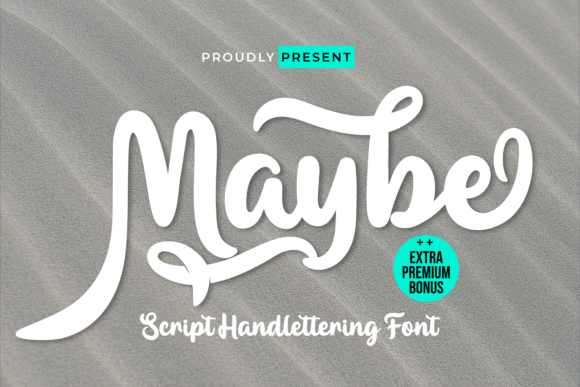
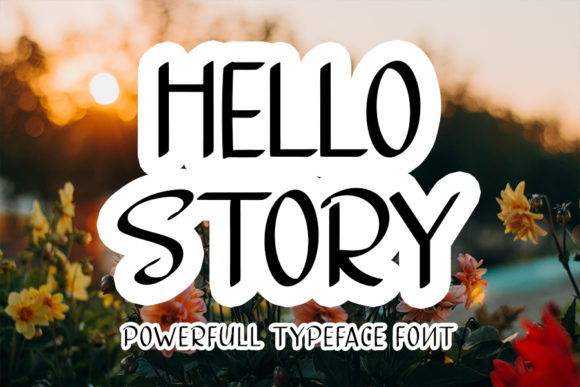
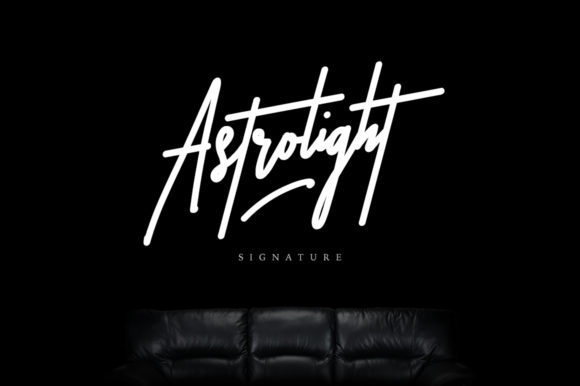
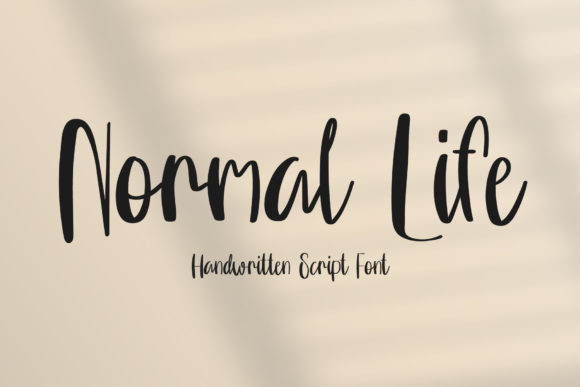
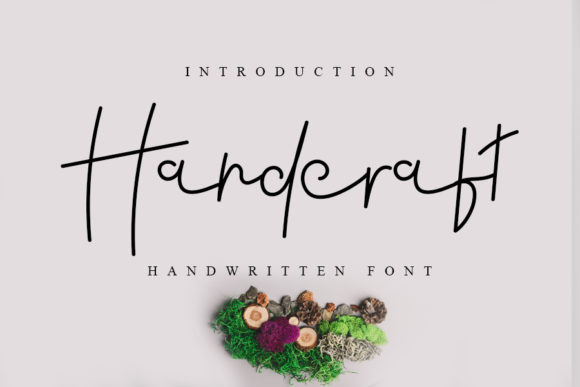
Handcraft is a handwritten font with a bold personality. It carries the weight of a well-worn journal page, yet it’s modern enough to feel relevant in today’s design landscape. The strokes are confident, the curves deliberate, and the overall aesthetic feels both elegant and approachable. It’s the kind of font that makes you think of handwritten notes, wedding invitations, or even a hand-painted sign on a local shop window.
The First Test: Logo Design
I decided to test Handcraft on a logo concept for the boutique. The client wanted something that reflected their artisanal roots but also had a touch of sophistication. I paired it with a simple sans serif body text and a subtle geometric icon. The result was striking—Handcraft added a layer of character that made the logo feel unique and memorable.
It wasn’t without its challenges. The font can be a bit heavy in certain weights, so I had to adjust the spacing carefully to avoid overcrowding. But once I got the balance right, it brought a warmth and authenticity that felt essential for the brand’s identity.
Brand Identity and Packaging Design
As I moved into the brand board, I used Handcraft across various elements—from the tagline to the product labels. It worked exceptionally well on packaging mockups, especially for items like handmade soaps or small craft goods. The font’s rich texture gave the packaging a tactile quality, making it feel more personal and less mass-produced.
I also tested it on a social media layout. The font performed admirably in headlines and captions, adding a sense of intimacy and charm. However, I noticed that in smaller sizes, the fine details could get lost. This made me think about its limitations—while Handcraft is excellent for short phrases and display purposes, it might not be ideal for long body text or very small print applications.
Font Pairing and Typographic Harmony
When pairing Handcraft, I found that it works best with clean, structured fonts. A simple sans serif like Montserrat or Lato provided the perfect contrast, balancing the font’s organic feel with a modern edge. For more creative projects, I paired it with other script fonts to create a cohesive, layered typographic system.
One thing I appreciated was the variety of styles and alternates included with Handcraft. Swashes and ligatures added visual interest without overwhelming the design. This flexibility made it easier to adapt the font to different contexts, whether it was a logo, a website header, or a flyer.
Real-World Applications and Limitations
Handcraft is particularly well-suited for creative industries like fashion, graphic design, and branding. It’s a great choice for logos, social media graphics, editorial content, and even web headers. However, it’s not always the best fit for corporate or formal settings where clarity and professionalism take precedence.
If you’re working on a project that requires long body text, such as a blog post or a product description, Handcraft might not be the most readable option. Its decorative nature can sometimes make it difficult to use in more traditional or technical contexts. That said, it’s still a versatile tool when used appropriately.
Practical Tips for Using Handcraft
Before using Handcraft in any client work, I recommend testing it in different environments. Print it out at various sizes, check how it looks on screen, and ensure it aligns with the brand’s overall vision. Also, don’t forget to review the font’s licensing terms—if you’re using it for commercial projects, make sure you have the appropriate rights.
Finally, remember that typography is an art form. While Handcraft has a lot to offer, it’s not a one-size-fits-all solution. Use it thoughtfully, and let your design instincts guide you. With the right context and application, it can become a powerful asset in your creative toolkit.